
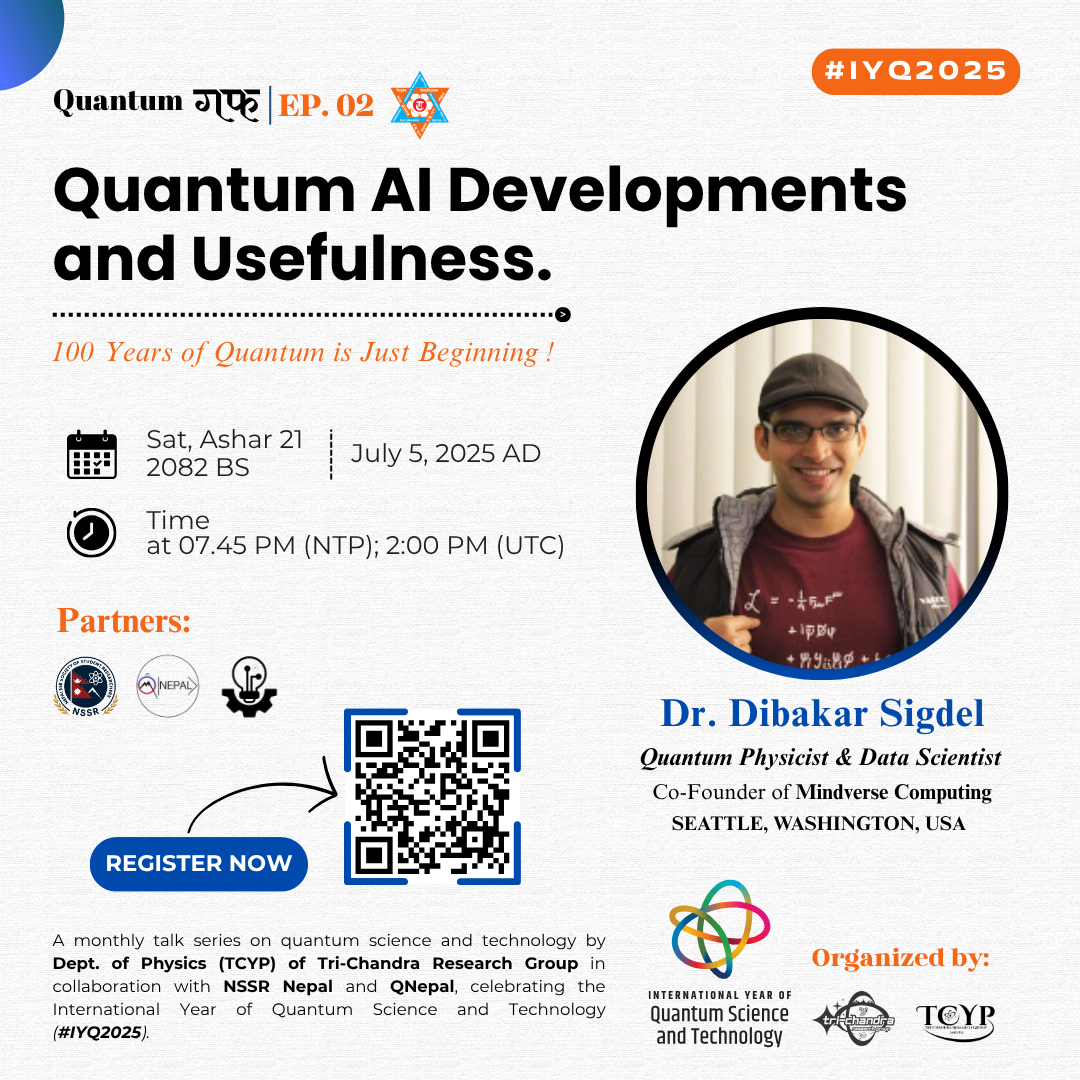
Quantum गफ | EP.02 Quantum AI Developments and Usefulness

Join us for Episode 02 of Quantum गफ, a monthly talk series exploring the frontiers of quantum science and technology. The series is organized by the Dept. of Physics (TCYP) of Tri-Chandra Research Group (TCRG) in collaboration with QNepal and NSSR Nepal, as part of the global celebration of the International Year of Quantum Science and Technology (#IYQ2025).

 Topic: “Quantum AI Developments and Usefulness”

Guest Speaker: Dr. Dibakar Sigdel, Quantum Physicist & Data Scientist, Co-Founder, Mindverse Computing
Seattle, Washington, USA

Session Overview

In this session titled “Quantum AI Developments and Usefulness,” Dr. Dibakar Sigdel will explore how recent advancements in quantum computing are driving innovation in artificial intelligence. From quantum machine learning techniques to real-world applications in data science, the talk will examine how quantum AI is poised to revolutionize the future of intelligent systems.
 

Contact Us

📧

 Facebook

 Instagram

 LinkedIn

 The Quantum Roundtable

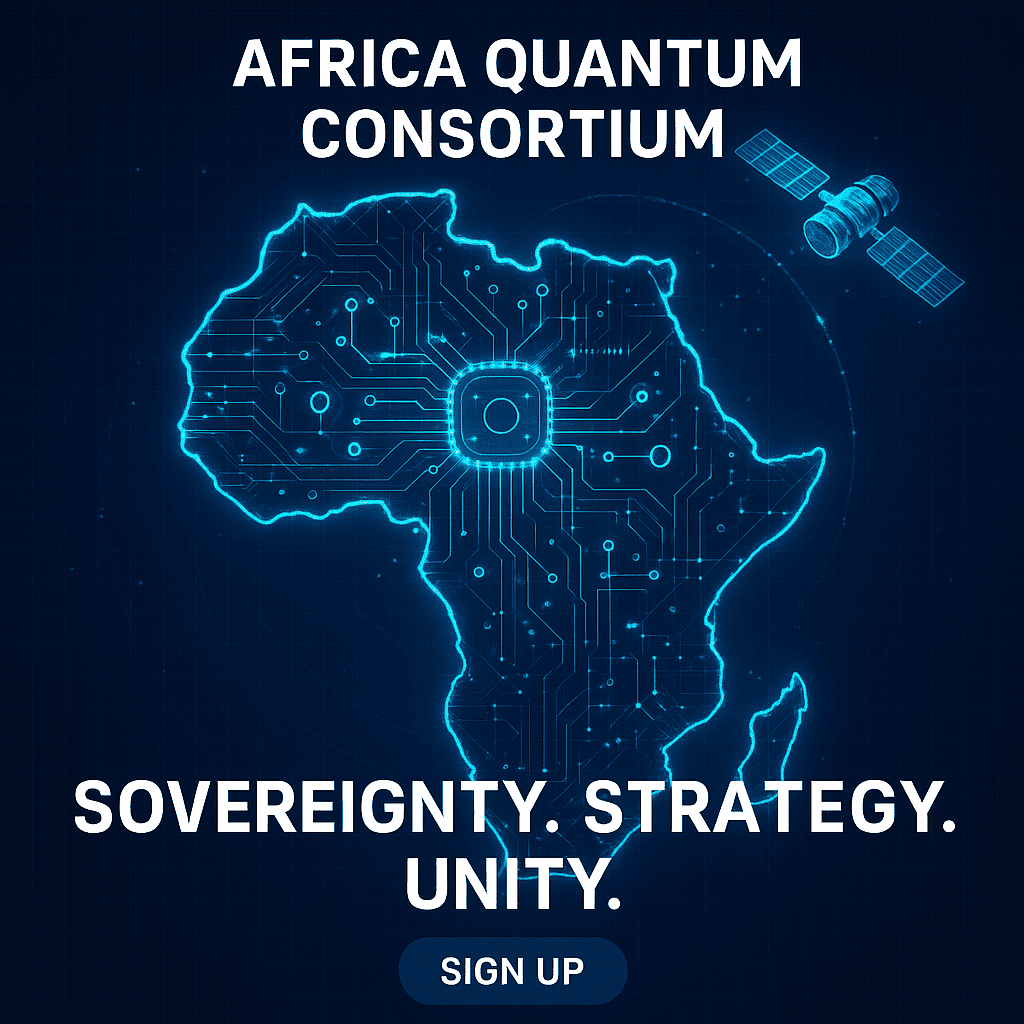
Coming This September: The AQC 3Q Quantum Roundtable Showcase Africa’s Quantum and Deep Tech Momentum. This roundtable spotlights breakthrough startups, frontier research, and our bold vision for a deep tech innovation hub rooted in Africa. Global and diaspora partners will chime in as we shape the continent’s next leap. This is where ideas meet action. Pre-register now. Be part of the build.

Warwick Quantum Launch Event

 Warwick Quantum is a new interdisciplinary research initiative that brings together the University of Warwick’s quantum technology work, encompassing the Departments of Computer Science, Mathematics, Chemistry, and Physics, as well as the School of Engineering and the Warwick Manufacturing Group. Our vision is to provide a bridge between these areas, making an impact on quantum computing and quantum technologies at all levels, from theory and foundations to hardware and industrial applications.

We are hosting the Warwick Quantum launch event in Warwick on Friday, July 11, 2025. The speakers will include Dmitry Budker, Sir Peter Knight, Helena Knowles, Gerald Milburn, and Michael Cuthbert.

Modeling and Simulation of Open Quantum Systems: Purified Pseudomode Approach and its Extensions

Accurate characterization of the environmental effects on a quantum system remains a fundamental challenge in the theory of open quantum systems. In this talk, I will introduce the purified pseudomode approach developed by us recently. This method allows for efficient modeling and numerically exact simulation of general linear-Gaussian baths. Extensions of this method to model bath input-output and nonlinear system-bath interactions will also be discussed.

Implementation of a Groundbreaking 12,900 km Ultra-secure Quantum Satellite Link Between South Africa and China

Quantum Key Distribution (QKD) has emerged as a revolutionary technology for secure communication, leveraging the principles of quantum mechanics to ensure unbreakable encryption. Recent advancements in space-based QKD have enabled global-scale secure communication by utilizing microsatellites as cost-effective and efficient platforms for key distribution. Here, we will be presenting our recent groundbreaking results on the first quantum satellite link implemented in the Southern Hemisphere and the longest intercontinental ultra-secure quantum satellite link of 12,900 km between South Africa and China.

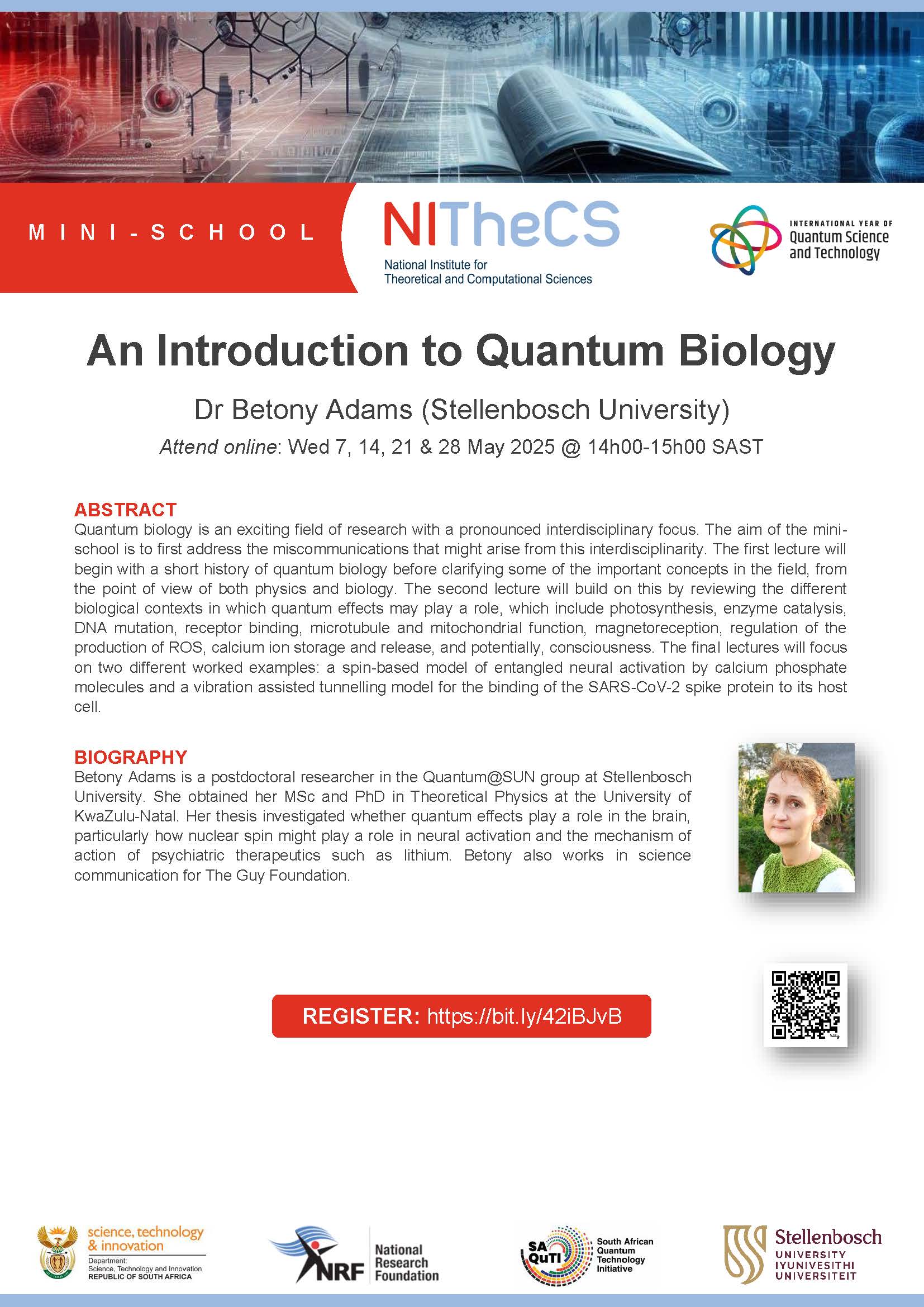
NITheCS Mini-School – An Introduction to Quantum Biology

Quantum biology is an exciting field of research with a pronounced interdisciplinary focus. The aim of the mini-school is to first address the miscommunications that might arise from this interdisciplinarity. The first lecture will begin with a short history of quantum biology before clarifying some of the important concepts in the field, from the point of view of both physics and biology. The second lecture will build on this by reviewing the different biological contexts in which quantum effects may play a role, which include photosynthesis, enzyme catalysis, DNA mutation, receptor binding, microtubule and mitochondrial function, magnetoreception, regulation of the production of ROS, calcium ion storage and release, and potentially, consciousness. The final lectures will focus on two different worked examples: a spin-based model of entangled neural activation by calcium phosphate molecules and a vibration-assisted tunnelling model for the binding of the SARS-CoV-2 spike protein to its host cell.

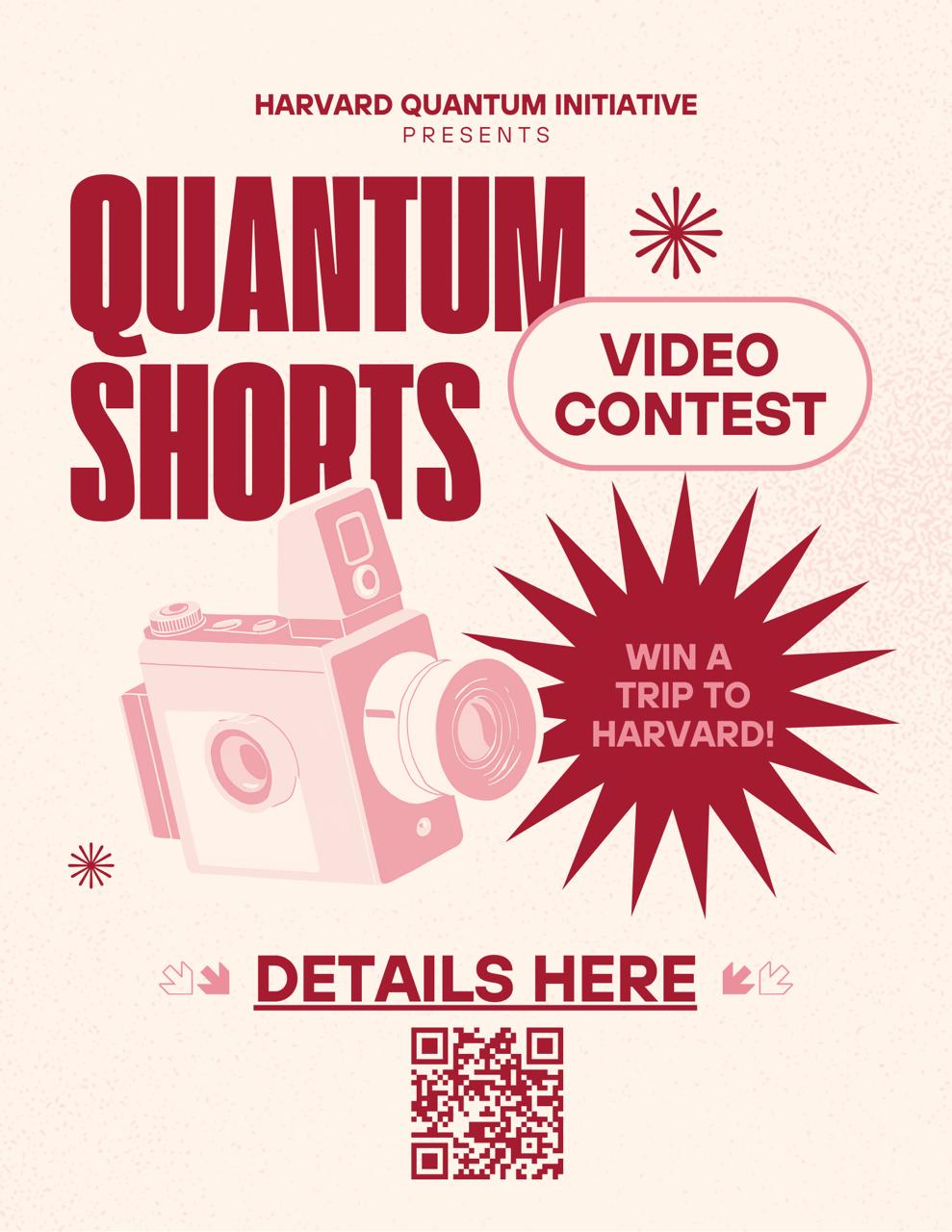
Harvard Quantum Shorts Contest

In celebration of the International Year of Quantum Science and Technology, the Harvard Quantum Initiative invites students ages 14–19 to participate in an exciting global competition!

Create and submit a short video that explores a topic in quantum science—whether it’s quantum computing, entanglement, superposition, or any concept that inspires you. This is your chance to showcase your scientific insight, creativity, and passion for discovery.

Selected winners will receive an exclusive opportunity to visit Harvard’s cutting-edge quantum research facilities and meet world-class scientists.

Physics for Society: A New Colloquium Series by UNESCO and IUPAP

UNESCO and IUPAP are launching a new online colloquium series to explore how physics can drive positive change for society. This year’s theme: Quantum Science and Technology, aligned with the International Year of Quantum Science and Technology (IYQ 2025).

We are honored to open the series with Prof. Anne L’Huillier, 2023 Nobel Laureate in Physics, whose groundbreaking work in attosecond science reshaped our understanding of electron dynamics.

She will speak on:
– Attosecond light pulses in quantum science
– Her journey as a woman scientist in a frontier field

This interactive event will spark dialogue across disciplines and regions — from fundamental science to real-world impact.

Birds of Science

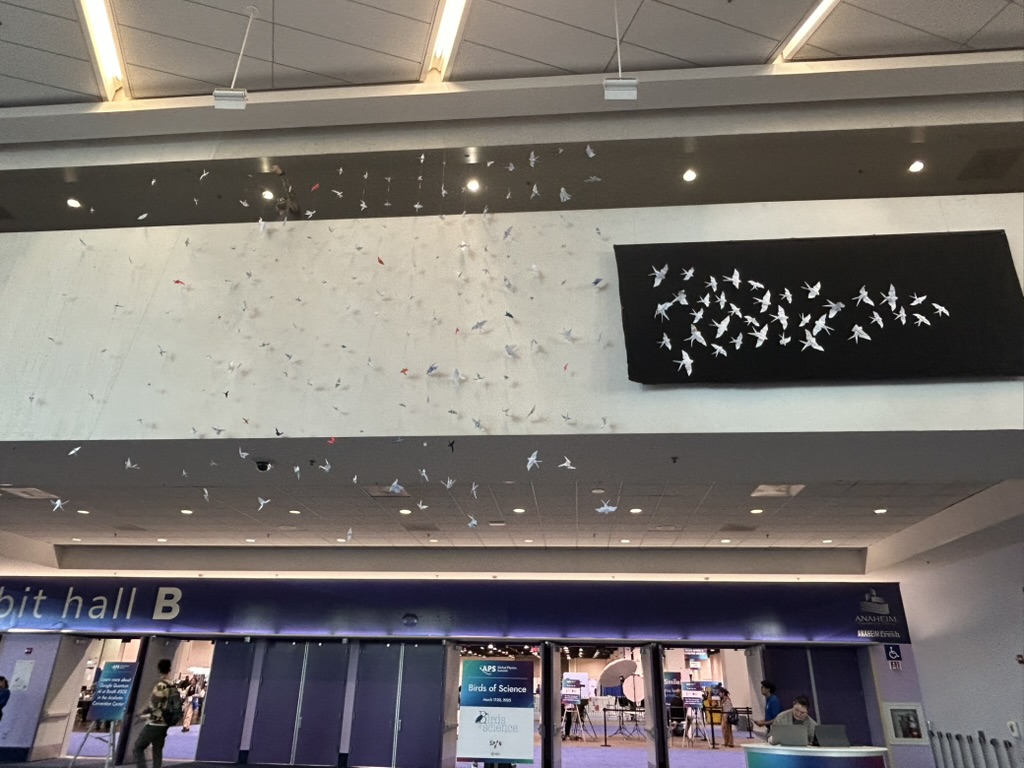
Birds of Science is a collaborative art and science project in which participants craft origami birds from the pages of their scientific writings or their notebooks. These origami birds come together as they are created to form a breathtaking large-scale installation, symbolizing the knowledge, science, and the collective journey of ideas taking flight.

Birds of Science is created and directed by NCCR SPIN.